---
title: "Martinique group trips | Soca Islands"
canonical_url: "https://socaislands.com/destinations/caribbean/martinique"
last_updated: "2026-09-20T08:01:15.315Z"
locale: en
meta:
description: "Small-group trips across Martinique with Soca Islands, alongside like-minded travellers in their 20s to 50s."
"og:description": "Small-group trips across Martinique with Soca Islands, alongside like-minded travellers in their 20s to 50s."
"og:title": "Martinique group trips"
"twitter:description": "Small-group trips across Martinique with Soca Islands, alongside like-minded travellers in their 20s to 50s."
"twitter:title": "Martinique group trips"
---
**
# Martinique Group Trips
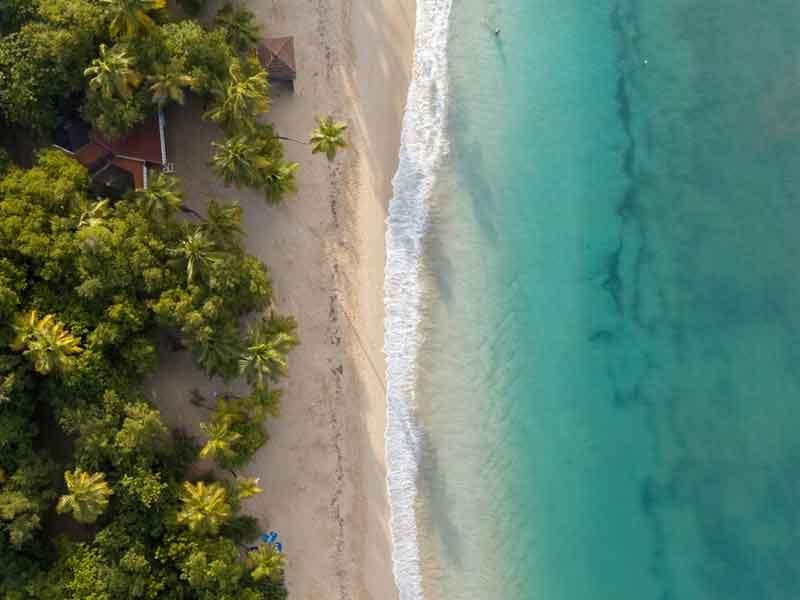
Martinique is a French overseas region and Caribbean paradise, where French elegance meets tropical rhythms. The island’s dramatic volcanic landscapes, lush rainforests, and palm‑lined beaches draw visitors seeking both exploration and relaxation. Fort‑de‑France offers French‑Caribbean culture, street markets, historic forts, and culinary experiences, while coastal towns like Les Anses d’Arlet and Sainte‑Anne feature turquoise waters and coral reefs.
Martinique’s blend of Creole traditions and French influence is visible in its architecture, cuisine, and language. Outdoor lovers can hike through the Montagne Pelée volcano’s trails, kayak mangroves, or lounge on sandy shores. From rum distillery tours to seafood feasts with ocean views, Martinique is a tapestry of natural beauty and cultural richness.
## Martinique at a glance
Capital City
### Fort‑de‑France
Population
### 375,000
Currency
### 375,000
Language
### Euro (EUR)
Calling Code
### +596
Electricity
### Type C & E (European 2-pin)
Timezone
### GMT –4
## Our Martinique tours and holidays
[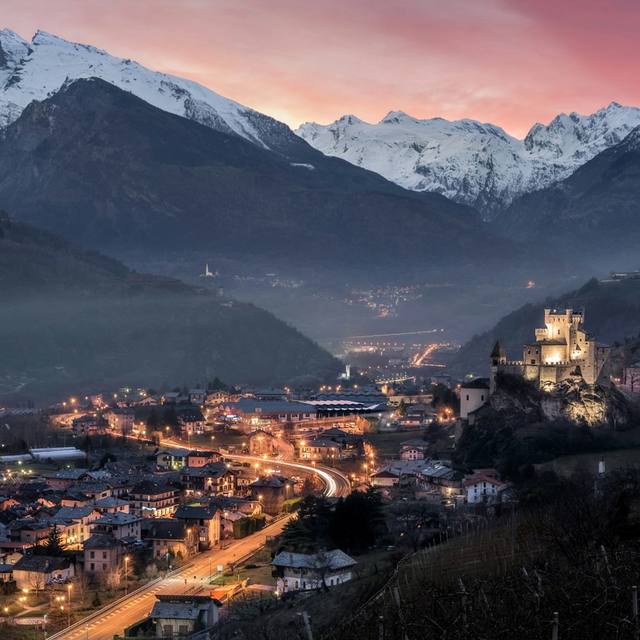 Nature and Panomora Tour 6 hours in MartiniqueAdventure
MTQADV01from $130 USD
](https://socaislands.com/trips/nature-and-panorama-tour)
[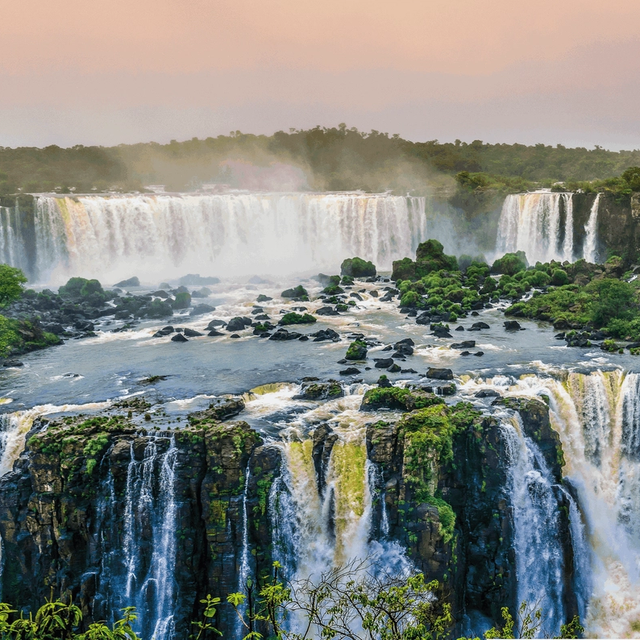 North Martinique Rainforest & Volcano Discovery Tour 8 hours in MartiniqueDay trips
MTQSHO01from $174 USD
](https://socaislands.com/trips/north-martinique-rainforest-and-volcano-discovery-tour)
## Learn more about Martinique
##
Martinique experiences a tropical climate with warm temperatures throughout the year. Average temperatures range between **24°C and 30°C**, with sunshine dominating most days.
The **dry season from December to May** is considered the best time to visit, offering sunny skies and ideal conditions for beach relaxation, hiking, and island exploration. The **wet season from June to November** brings higher humidity and occasional tropical showers, though rain typically falls in short bursts rather than all day.
##
7–10 days
##
Martinique offers a mix of cultural and outdoor services:
- Guided island tours
- Snorkeling, diving, and water sports
- Hiking and rainforest excursions
- Rum and culinary tours
- Beach services and seaside resorts
- Hotels ranging from boutique to luxury
##
##
The first inhabitants of Martinique were Amerindian peoples, followed by European colonization by the French in the 17th century. The island became an important sugar producer, with slaves brought from Africa to work the plantations. This blend of cultures French, African, and Indigenous shaped the music, food, and art that define Martinique today.
French governance and Caribbean heritage coexist on the island. French influence ensures that French language and education are prominent, while local Creole culture thrives in music (like zouk), dance, and festivals. Markets, street art, and community celebrations reflect daily life shaped by history and maritime tradition.
Visitors can explore colonial forts, drive plantation roads, attend Creole festivals, and savor local rum brands all while experiencing culture influenced by centuries of exchange and adaptation.
##
ATMs and card acceptance are widespread. Smaller markets may require cash.
##
##
Martinican cuisine is a Creole‑French fusion:
- **Accras** – Salted cod fritters
- **Colombo** – Caribbean curry stew
- **Blaff** – Marinated fish soup
- **Ti’Punch** – Rum cocktail with lime and sugar
- **Grilled seafood** – Local catch of the day
## Martinique FAQs
**Do I need a visa to travel to Martinique?**
Martinique is a French region; many nationalities who can enter the Schengen Area visa‑free can also enter Martinique visa‑free for tourism. Confirm requirements with a French consulate.
**Do I need to purchase travel insurance before travelling?**
Yes. Travel insurance is highly recommended for medical, trip disruptions, and unexpected events.
**Is tipping customary in Martinique?**
Tipping is appreciated but not mandatory; small gratuities for good service are common.
**Can I drink the water in Martinique?**
Tap water is generally safe, but bottled water is preferred in remote areas.
**What is the internet access like in Martinique?**
Wi‑Fi is available in hotels, cafes, and larger towns.
**Can I use my mobile in Martinique?**
Mobile coverage is reliable; local plans offer affordable data.
**How do I stay safe and healthy while travelling?**
Martinique is considered safe; typical travel cautions apply.
**Are Soca Islands trips accessible for travelers with disabilities?**
Many major hotels and urban areas are accessible, but natural terrain can vary. Plan in advance.